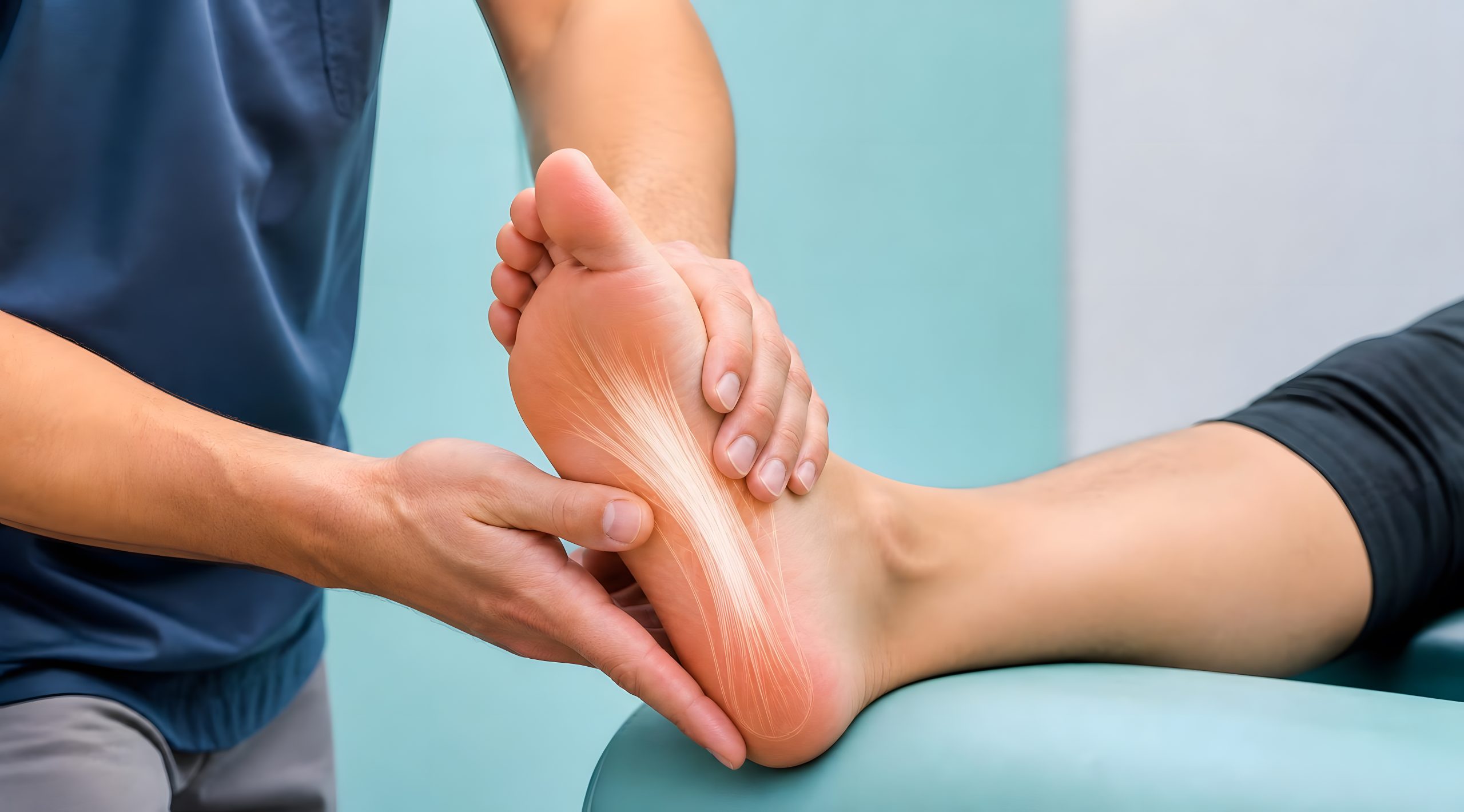
How to Choose the Best Non-Surgical Pain Relief in Wauwatosa and Milwaukee
Are you living with chronic pain, joint stiffness, or an injury that just won’t heal? Maybe you’ve tried medications, physical therapy, cortisone injections, or simply resting, only to find that the pain keeps returning.
If you’re searching for the best non-surgical pain relief in Wauwatosa, Milwaukee, Brookfield, West Allis, or surrounding communities, you have more treatment options than you might realize.
Surgery isn’t always necessary, and relying on pain medications isn’t your only alternative.
At New You Health and Wellness in Wauwatosa, Wisconsin, we take a comprehensive approach to pain relief. Rather than simply managing symptoms, we investigate what’s contributing to your discomfort and develop personalized treatment plans to improve mobility, reduce pain, and support your body’s recovery processes.
One of our favorite tools is SoftWave Therapy, an advanced form of electrohydraulic shockwave therapy that uses acoustic shockwaves to stimulate biological responses within tissues.
But effective pain management involves more than technology. Your biomechanics, nutrition, hormones, medications, and overall health can also influence how you feel and recover.
Let’s explore how to choose the right pain treatment and why SoftWave may be an excellent option for many people experiencing persistent pain.
What Should You Look for in Non-Surgical Pain Relief?
Not all pain treatments work the same way, and the best treatment depends on what’s causing your symptoms.
When choosing a pain relief provider in Milwaukee or Wauwatosa, consider these important questions:
1. Does the provider investigate the cause of your pain?
Pain in one area doesn’t always mean the problem originates there. Hip pain may be associated with the lumbar spine, while persistent heel pain may involve several different tissues.
A comprehensive examination should evaluate your movement, strength, joint mobility, medical history, and contributing factors.
2. Does treatment address more than temporary symptom relief?
Medications and injections may reduce discomfort, but they don’t necessarily address muscle weakness, altered movement patterns, or poor tissue-loading tolerance.
Look for treatments that support improved function alongside pain reduction.
3. Are non-invasive treatments available?
Before considering invasive procedures, ask whether physical therapy, progressive strengthening, manual therapy, or shockwave therapy may be appropriate.
4. Is your treatment individualized?
Two people with knee pain may have completely different underlying problems. Your treatment should reflect your diagnosis, overall health, goals, and response to care.
5. Does the provider look at your overall health?
Sleep, stress, nutrition, hormones, and medications can influence pain sensitivity, inflammation, and recovery. A comprehensive approach recognizes that the musculoskeletal system does not function in isolation.
At New You Health and Wellness, these principles guide our approach to helping patients move better and live with less pain.
What Is SoftWave Therapy?
SoftWave Therapy is a non-invasive treatment that delivers electrohydraulically generated acoustic shockwaves into targeted tissues.
Unlike treatments that rely primarily on heat or electrical stimulation, SoftWave delivers mechanical energy that interacts with cells and surrounding tissues.
This process may stimulate biological signaling pathways associated with:
- Modulation of pain and inflammatory responses
- Improved local circulation and vascular signaling
- Cellular activity involved in tissue repair
- Tissue remodeling and recovery
These biological effects are being investigated through a process called mechanotransduction, in which cells respond to mechanical forces by activating biological pathways.
SoftWave uses broad-focused electrohydraulic shockwaves, distinguishing its technology from devices that produce radial pressure waves.
Most importantly, SoftWave doesn’t require incisions, injections, or anesthesia, making it an appealing option for patients seeking less-invasive pain management.
Although outcomes vary, extracorporeal shockwave therapy has demonstrated benefits for selected chronic tendon and soft-tissue conditions.
What Types of Pain Can SoftWave Therapy Help Address?
At New You Health and Wellness, we evaluate and treat pain throughout the body. SoftWave may be incorporated into an individualized treatment plan when clinically appropriate.
Back Pain and Sciatica
Low back pain is one of the most common reasons people seek non-surgical pain treatment.
We help patients dealing with chronic lower back pain, muscle tightness, myofascial discomfort, and movement-related symptoms.
SoftWave may be used to address painful muscles and surrounding soft tissues, while physical therapy focuses on strength, mobility, and movement patterns.
For people experiencing sciatica or radiating leg pain, a thorough evaluation is especially important because nerve-related symptoms may require a different treatment strategy.
Neck Pain and Headaches
Persistent neck pain can interfere with sleeping, driving, working, and exercising.
Common problems include muscle tension, restricted cervical mobility, and headaches associated with neck dysfunction.
Our treatment approach may incorporate SoftWave, manual therapy, postural education, and strengthening to address contributing musculoskeletal problems.
Shoulder Pain and Rotator Cuff Problems
Shoulder pain can make reaching overhead, getting dressed, or sleeping on your side uncomfortable.
We treat conditions such as:
- Rotator cuff tendinopathy
- Calcific shoulder tendinopathy
- Frozen shoulder
- Muscle and tendon injuries
- Arthritis-related shoulder pain
Shockwave therapy has clinical evidence supporting its use for certain shoulder conditions, particularly calcific rotator cuff tendinopathy. Not every shoulder diagnosis responds equally, making a proper assessment essential.
Hip Pain and Greater Trochanteric Pain Syndrome
If your hip hurts when walking, climbing stairs, or lying on your side, the problem may involve the gluteal tendons or surrounding tissues.
We work with patients experiencing lateral hip pain, gluteal tendinopathy, greater trochanteric pain syndrome, and hip arthritis.
SoftWave may be particularly useful as an adjunct for selected tendon-related conditions, while strengthening and movement retraining help improve function.
Knee Pain and Arthritis
Knee pain doesn’t automatically mean you need a knee replacement.
We evaluate patients with knee osteoarthritis, patellar tendinopathy, overuse injuries, and persistent pain during activity.
SoftWave may be considered to help manage symptoms in selected patients, alongside exercise and progressive strengthening.
Although shockwave therapy does not replace missing cartilage or reverse advanced arthritis, it may provide an additional non-surgical option for managing pain and improving function.
Plantar Fasciitis, Heel Pain, and Achilles Tendinopathy
Foot and heel pain are among the better-studied applications of extracorporeal shockwave therapy.
If your first steps in the morning are painful, or your heel continues to hurt despite stretching, orthotics, or other treatments, SoftWave may be worth exploring.
We treat plantar fasciitis, plantar heel pain, Achilles tendinopathy, and selected foot and ankle soft-tissue conditions.
Research supports shockwave therapy as a non-surgical option for persistent plantar heel pain, particularly when conventional treatment hasn’t provided sufficient relief.
Elbow Pain and Tennis Elbow
Tennis elbow doesn’t only affect athletes.
Repetitive gripping, lifting, gardening, and work-related activities can contribute to persistent elbow pain.
We treat lateral epicondylitis (tennis elbow), medial elbow tendinopathy (golfer’s elbow), and other musculoskeletal elbow conditions.
Shockwave therapy may complement progressive tendon-loading exercises for selected chronic tendon problems.
Hand, Wrist, and Finger Pain
Pain in the hands or wrists can make gripping, typing, lifting, and everyday activities difficult.
We evaluate arthritis-related discomfort, tendon irritation, and other musculoskeletal hand and wrist problems.
SoftWave may be considered for certain soft-tissue complaints, although research is more limited than for conditions such as plantar fasciitis.
Muscle Pain and Chronic Tendon Injuries
Persistent muscle and tendon pain often requires more than stretching or temporary rest.
Our clinic treats muscle pain, overuse injuries, chronic tendinopathies, and activity-related soft-tissue complaints.
We may use SoftWave to complement exercise-based rehabilitation, manual therapy, and individualized activity modifications.
Pelvic Pain and Pain with Intercourse
One area often overlooked in pain management is pelvic health.
At New You Health and Wellness, we provide specialized care for women and men experiencing pelvic floor muscle pain, chronic pelvic discomfort, and pain with intercourse.
Treatment may involve pelvic floor physical therapy, relaxation and muscle retraining, manual techniques, and selected applications of SoftWave.
Research into shockwave therapy for pelvic and sexual pain is still developing, so treatment decisions should be based on an individualized evaluation.
Why Choose SoftWave Instead of Injections or Surgery?
SoftWave offers several practical advantages for appropriately selected patients.
No needles or incisions. Treatment is delivered externally, avoiding the procedural risks associated with injections or surgery.
Minimal interruption to daily life. Many patients can resume normal daily activities following treatment, although recommendations depend on their condition.
A different approach to tissue recovery. Shockwave therapy delivers mechanical stimulation that may influence pain and tissue-repair signaling pathways.
Potential benefits for persistent tendon problems. Chronic tendon conditions that haven’t responded adequately to conventional treatment may benefit from shockwave therapy as part of a broader rehabilitation program.
Works alongside physical therapy. SoftWave may help some patients participate more comfortably in therapeutic exercises and strengthening.
SoftWave is not a cure-all, and it cannot replace surgery when surgery is medically necessary. Its value lies in providing another treatment option within a comprehensive care plan.
Why Choose New You Health and Wellness in Wauwatosa?
Technology alone doesn’t determine treatment success. The clinician’s evaluation, understanding of your condition, and treatment strategy matter just as much.
At New You Health and Wellness, we combine advanced SoftWave technology with experienced physical therapy and a broader approach to health and recovery.
Our services include:
- Musculoskeletal and biomechanical evaluations
- Orthopedic physical therapy and manual techniques
- Electrohydraulic SoftWave shockwave therapy
- Strengthening, mobility, and return-to-activity programs
- Pelvic floor and specialized chronic pain care
- Nutritional and functional health assessments
- Consideration of hormones, medications, sleep, and other factors influencing pain
We believe the best treatment plans don’t simply focus on where you hurt. They also consider why the problem developed and what may be preventing recovery.
Frequently Asked Questions About Non-Surgical Pain Relief
1. How does SoftWave Therapy help relieve pain without surgery?
SoftWave Therapy uses non-invasive electrohydraulic shockwaves to stimulate biological responses in painful or injured tissues.
These mechanical signals may influence pain signaling, inflammatory pathways, circulation, and cellular processes associated with tissue repair.
SoftWave can be an option for selected chronic tendon, muscle, and joint conditions. At New You Health and Wellness, we combine SoftWave with individualized treatment strategies to address both symptoms and contributing factors.
2. Why are biomechanics important for lasting pain relief?
Your biomechanics—how your muscles, joints, and body move together—can significantly influence your pain.
Limited ankle mobility, inadequate hip strength, or altered walking mechanics may place excessive stress on certain tissues.
Even if SoftWave reduces pain, unresolved strength deficits or movement limitations may continue to aggravate the problem.
We assess movement patterns, mobility, strength, and functional limitations to identify factors contributing to symptoms. Our goal is not simply to reduce pain temporarily but to improve how your body functions.
3. Can my eating plan affect inflammation, joint pain, and recovery?
Yes. Your eating habits can influence inflammation, metabolic health, and your body’s ability to recover.
Eating patterns that include adequate protein, colorful fruits and vegetables, omega-3-rich foods, and fiber help support muscle and tissue health.
Inadequate protein, nutritional deficiencies, and certain metabolic conditions may interfere with recovery. Highly processed dietary patterns may also contribute to poor metabolic health.
At New You Health and Wellness, we may evaluate your eating habits and recommend practical nutritional improvements as part of a comprehensive pain management plan.
4. How do hormones affect muscle pain, joint pain, and recovery?
Hormones influence muscle function, connective tissues, bone health, sleep, and pain sensitivity.
For example, changing estrogen levels during perimenopause and menopause may be associated with increased joint pain and stiffness. Thyroid hormones influence muscle function, energy metabolism, and tissue health.
Testosterone, cortisol, and other hormones can also influence strength, recovery, sleep, and how the body responds to physical stress.
When someone experiences persistent pain alongside fatigue, sleep problems, or changes in physical function, considering hormonal health may be appropriate.
At New You Health and Wellness, we recognize that effective pain treatment sometimes requires looking beyond the injured joint or muscle.
5. Could my medications be contributing to my muscle or joint pain?
Yes. Some prescription medications can contribute to muscle aches, joint discomfort, tendon problems, or changes in pain sensitivity.
For example, statins can cause muscle symptoms in some individuals, while fluoroquinolone antibiotics have been associated with tendon injuries. Long-term opioid exposure can sometimes contribute to increased pain sensitivity.
When pain is unexplained or persists despite treatment, reviewing your medication history may reveal an overlooked contributing factor.
Want to learn more? Read our blog: 14 Medications That Could Be Causing Your Pain.
Never stop or adjust prescribed medications without consulting your prescribing healthcare professional.
6. What if I’ve already tried physical therapy, injections, or medications without lasting relief?
When pain continues despite previous treatments, it may be time to reconsider the diagnosis and identify factors that haven’t been addressed.
Persistent pain can involve several overlapping influences, including tissue injury, muscle weakness, altered biomechanics, sleep disturbances, metabolic health, and nervous system sensitization.
At New You Health and Wellness, we take a comprehensive approach. SoftWave may provide an additional treatment option, while individualized exercises, biomechanical correction, nutrition strategies, and other interventions address factors that could be limiting progress.
Previous treatment failure doesn’t necessarily mean surgery is your only remaining option.
7. Why does New You Health and Wellness combine SoftWave with a whole-body approach?
Because pain is often more complicated than a single injured tissue.
SoftWave is one of our valuable tools for addressing selected musculoskeletal conditions, but technology alone cannot address every factor influencing recovery.
Our approach considers five important areas:
- SoftWave Therapy: Non-invasive mechanical stimulation to help manage pain and support tissue recovery in appropriate conditions.
- Biomechanics: Identifying movement limitations, muscle weakness, and tissue-loading problems contributing to symptoms.
- Nutrition: Supporting tissue repair, muscle health, and healthy inflammatory responses through appropriate eating habits.
- Hormones: Understanding how hormones influence muscle and joint health, recovery, sleep, and pain sensitivity.
- Medication Review: Identifying potential medication-related contributors to muscle pain, joint discomfort, or impaired function.
By looking at the bigger picture, we can develop a more individualized treatment plan rather than relying on a single technique.
Serving Wauwatosa, Milwaukee, and Surrounding Communities
New You Health and Wellness welcomes patients throughout Greater Milwaukee, including Wauwatosa, Brookfield, Elm Grove, West Allis, West Milwaukee, Greenfield, New Berlin, Menomonee Falls, and surrounding communities.
Whether you’re a runner dealing with plantar fasciitis, an active adult struggling with shoulder pain, or someone whose chronic pain is limiting everyday activities, our team can help you explore your treatment options.
Ready to Explore Pain Relief Without Surgery?
You don’t have to assume that persistent pain means injections, long-term medications, or surgery are your only options.
At New You Health and Wellness, we combine SoftWave Therapy, physical therapy, biomechanics, nutritional strategies, and consideration of hormones and medications to develop personalized approaches to pain management.
Whether you’re dealing with back pain, shoulder pain, knee arthritis, plantar fasciitis, chronic tendon injuries, or pelvic pain, we’re here to help.
Call New You Health and Wellness at (414) 299-8121 to learn whether SoftWave Therapy and our comprehensive treatment approach may be right for you.
Visit: https://newyouhealthandwellness.com
Less pain. Better movement. A healthier you.